Building Organizational Capability to Achieve Safe Work
Throughout my career, I’ve become increasingly interested in one question. Why do some organizations consistently achieve safe work while others, with similar resources and experience, struggle to achieve the same results?
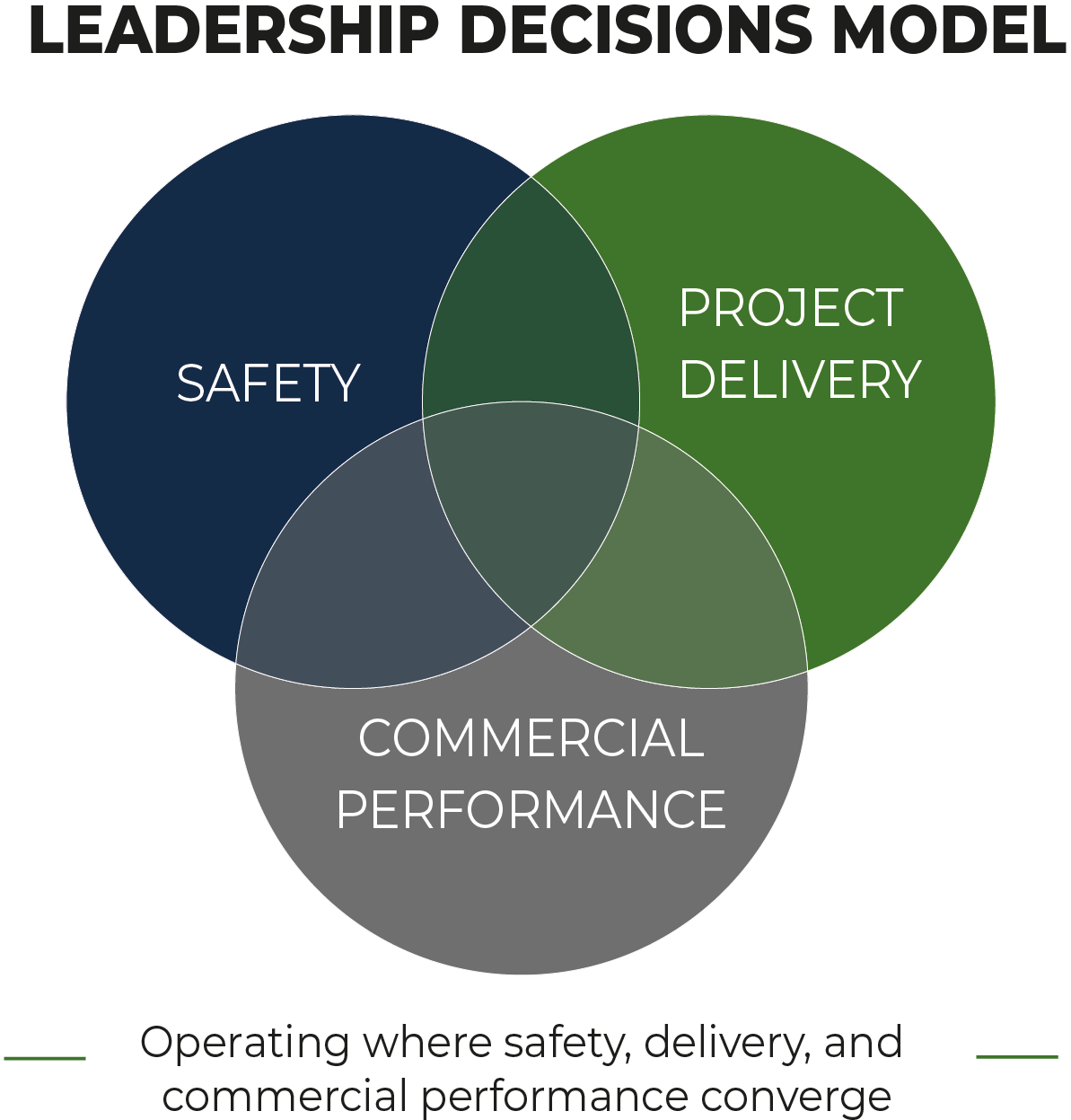
In my experience, the answer begins with leadership. Every day, leaders balance competing priorities that influence how they plan work, allocate resources, manage risk, and make decisions. Those factors shape the environment in which people either struggle or succeed to achieve safe work.
When Delivery Pressure Begins to Change Organizational Behavior
Every project experiences delivery pressure. As timelines become compressed, organizations naturally begin looking for opportunities to recover time. The reality is that some of the activities that receive less attention are often the very ones that create the conditions to achieve safe work.
As projects fall behind schedule, work that should already be complete begins overlapping with work that was planned to start next. Additional personnel are assigned to recover lost time, more trades begin working in the same areas, and supervisors are expected to coordinate an increasing number of concurrent activities. As organizational complexity increases, maintaining effective planning, communication, and coordination becomes increasingly difficult.
One of the most common observations I have made is that organizations begin measuring progress by visible work rather than by maintaining the planning and rules to ensure safe work.
These activities are often the very things that determine whether work is completed efficiently, on schedule, while maintaining the conditions necessary to achieve safe work.
Delivery Pressure Risk™
Delivery Pressure Risk™ was developed to help leadership teams recognize the gradual changes in organizational behavior that often occur as delivery pressure increases.
These changes rarely result from a single decision. They develop through a series of decisions that, over time, begin changing how work is planned, coordinated, supervised, and executed. Because these changes happen gradually, they often go unnoticed until they begin affecting project outcomes.
Delivery Pressure Risk™ provides leadership with a way of recognizing these patterns early, allowing organizations to intervene before organizational drift begins affecting project performance.
Delivery Pressure Risk™ helps leadership teams recognize:
- Early changes in organizational behavior.
- When planning, coordination, and risk management begin receiving less attention.
- How increasing organizational complexity influences decision making.
- Where leadership intervention can strengthen organizational capability before project outcomes begin to deteriorate.
Experience Shapes Perspective
The foundation of TSRA has been shaped by more than twenty years working alongside organizations delivering complex engineering, manufacturing, and construction projects.
They reflect the observations, lessons learned, and conversations I have had throughout my career. Those experiences continue to shape the questions I ask, the way I mentor organizations, and the advice I provide to leadership teams
Credibility at a glance
22 +
Years
Professional experience
€25B+
Capital
Project exposure
Global
leadership
Leadership experience
Mission-critical infrastructure
Expertise